
"India Mandhelya"
4272 article(s) found
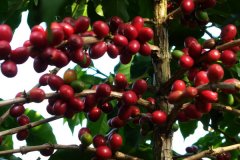
Washing in the village of Valbalai, Nadi, India
Indian Manor: Thalanar Estate, Tabil Nadi Nadi, Val Barai Village Manor owner: Mr Angamuthu Mudhaliar Family production area: Val Pare varieties: SL9 treatment: washed planting altitude: 1600 m-1700 m flavor: orange acid, spicy taste, thick taste, cocoa aftertaste.
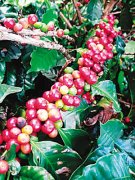
Southeast Asian coffee flavor washing in the village of Valbalai, Nadi, India
Indian Manor: Thalanar Estate, Tabil Nadi Nadi, Val Barai Village Manor owner: Mr Angamuthu Mudhaliar Family production area: Val Pare varieties: SL9 treatment: washed planting altitude: 1600 m-1700 m flavor: orange acid, spicy taste, thick taste, cocoa aftertaste.

Global coffee producing area-India
There are several reasons why Indian coffee is popular with coffee lovers, but the most important is a process used on coffee beans, often referred to as the "monsooning" process.

Introduction of Kent Coffee Bean Gene mutations found in Kent Coffee varieties in India
Professional coffee knowledge exchange more coffee bean information please follow the coffee workshop (Wechat official account cafe_style) front street-Kent coffee varieties introduction in plant taxonomy, coffee belongs to the Genus Coffea family of Rubiaceae, there are at least a hundred coffee varieties. The more common coffee is Arabica (Arabica, elegant flavor, is the main force of boutique coffee

What kind of coffee is Indian monsoon Maraba? introduction to the natural drying method of special sun in India
Professional coffee knowledge exchange more coffee bean information please follow the coffee workshop (Wechat official account cafe_style) Indian coffee was brought into the establishment of the first coffee farm by pilgrims as early as the 16th century. You may not imagine that India produces much more coffee than Ethiopia and any Central American country, with 900000 hectares of land growing coffee beans and about 140000 in India.

Introduction to Balmaadi Manor in Tamil Nadu, India how about coffee in the new season 2020
Country: Indian State: Tamil Nadu (Tamil Nadu) area: Nilgiris Farm: Balmaadi Manor owner: Unnamalai Thiagarajan Variety: Kent and S795 Technology: sun drying method: patio and African tanning bed production season: 2020 altitude: 1being2001830m Farm area: 169ha, of which 148ha coffee this time we can

Which brand of Indian coffee is better? What are the recommendations of Arabica coffee beans in India?
Professional coffee knowledge exchange more coffee bean information please follow the coffee workshop (Wechat official account cafe_style) Indian coffee flavor introduction flavor: very little coffee from India, usually only two kinds: wind-stained Malaba and Masojin bricks. The raw beans of the wind-soaked Malaba are dry, yellow and sweet, but a little monotonous because they are placed in a ventilated warehouse for the Indian Ocean
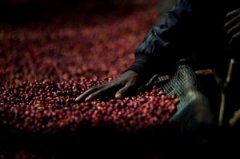
Boutique Indian coffee wind-stained Malaba coffee beans
Indian coffee style stained Malaba coffee beans our mysterious impression of India is not only its coffee, but also tea, temples, yoga, sitaqin, or even the more negative abnormal big cities, and so on. The reason why there are so many kinds of Indian beans on the market today must be attributed to the indomitable Indian coffee expert and importer Dr. Joseph Johns. Past 10
Indian coffee wind-stained Malaba coffee beans
Indian Coffee style stained Malaba Coffee beans Indian Coffee-enigmatic Coffee in a mysterious country our mysterious impression of India is not only in its coffee, but also in tea, temples, yoga, sitaqin, or even the more negative abnormal big cities. The reason why there are so many kinds of Indian beans on the market today must be attributed to the indomitable Indian coffee experts and imports.

What is the best brand of Darjeeling black tea in India? how much is the brand of Glenn Tea Garden?
Glenn Glenburn Tea Garden is located in the Rangli Rangliot CD neighborhood of Darjeeling Sadar District, Darjeeling, West Bengal, India. Of the 750ha (1900 acres) of the Glenn Tea Manor (Glenburn Tea Estate), there is a 350ha (860acre) protected forest (called Simbong forest). The Rangeet and rundung rivers flow through
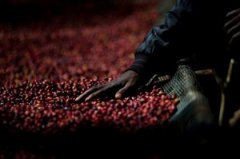
Mysterious country's mystery coffee boutique Indian coffee wind-stained Malaba coffee beans
Indian coffee style stained Malaba coffee beans our mysterious impression of India is not only its coffee, but also tea, temples, yoga, sitaqin, or even the more negative abnormal big cities, and so on. The reason why there are so many kinds of Indian beans on the market today must be attributed to the indomitable Indian coffee expert and importer Dr. Joseph Johns. Past 10

Certified by Sasa to produce beans in El Salvador, India, Nadi, Rwanda, Ngoma, Panama, Tang Pepe Manor
Finland used to be the most coffee-consuming country in the world, but now Australia, no doubt, is the leader in the third wave of boutique coffee. Sasa Sestic, champion of the 2015 World baristas Competition, has created a source program in the past three years to find and help farmers improve their planting in the world's coffee-producing countries for a cup of coffee that everyone can afford and drink.

Coffee unique to India: Indian Monsoon Malaba Coffee Story _ how much is a pack of Indian coffee beans
Professional Coffee knowledge Exchange more information about coffee beans Please follow the story of Coffee Workshop (official Wechat account cafe_style) dating back to the 19th century, when India was still a British colony. Coffee produced from India is shipped to England. Before the opening of the Suez Canal, it was necessary to make a detour from India to Britain through the Cape of good Hope at the southern tip of Africa, across the Indian Ocean and Great Britain.

What is the flavor of washed bean Ganga in Kanatak / Gunge Geely Farm?
Professional coffee knowledge exchange more coffee bean information please follow the coffee workshop (Wechat official account cafe_style) India Karnataka Gongge Geely Farm Gigemogrul washed bean Ganga flavor? Coffee is grown in the town of Chikmagalur Town at the southern tip of Karnataka State in southern India. Gangger Geely Farm (
Coffee producing area-India
There are several reasons why Indian coffee is so popular in coffee hobbies, but the most important one is a process used in coffee beans, often called the monsooning process. In the past, passengers or cargo sailed to and from India, which took months to reach Europe. In transit, due to the high air humidity, the taste of raw coffee beans and

Introduction to the flavor and taste of coffee beans treated with Maharani-red honey in Godagu County, India
Maharani-Red Honey treats fresh fruit flavor, taste fresh and supple, aftertaste chocolate and nuts, ripe sweet fruit aroma, fresh and special Maharani-Red Honey treatment Origin: India: Godagu County altitude: 1000-1500m varieties: Typica Tibika treatment: Honey Honey treatment (Red Honey) Maharani Manor has a 500ha coffee estate

What is the market prospect of Indian coffee? The output and planting area of coffee in India have increased.
Professional coffee knowledge exchange more coffee bean information please follow the coffee workshop (Wechat official account cafe_style) Indian coffee market: at present, the Indian Coffee Council (IndianCoffeeBoard) controls the entire coffee industry, uniformly buys coffee and then sells it. Coffee is sold at mass auctions. The coffee is mixed to reach a certain amount of trade.

How is India Monsooned Malabar Malaba coffee roasted? How do you drink Malaba coffee?
Professional coffee knowledge exchange more coffee bean information please follow the coffee workshop (Wechat official account cafe_style) to talk about Asian coffee, perhaps the first thing that reminds the public of is Indonesia's Mantenin. But in fact, the first country in Asia to grow coffee should be India. It is said that the coffee tree species in Indonesia was introduced by the Dutch from India in the 17th century. The famous Indian Coffee Mara

The unique flavor of Indian monsoon stains is good for the taste of wind-stained Malaba coffee beans.
There are several reasons why Indian coffee is so popular with coffee lovers, but the most important one is due to a process used on coffee beans, often called the monsooninR process. In the past, it took about a few months for passengers or goods to travel to and from India by sailboat.

Indian plantation A coffee known as "very nugget"
India was the first country in Asia to grow coffee, and India's A-grade coffee beans have always been a coffee that has received strong attention from coffee lovers around the world. Its flavor and taste characteristics: uniform particles, rich taste, smooth and delicious. The cultivation of Indian coffee originated with their colonists, the British. In the 17th and early 18th centuries, the English did not drink tea as much as they do today.